


Seasonal Storytelling: Cozy Autumn Tales for Longer Evenings

By the middle of October, the room changes. The lamp goes on at half past five, the kettle gets used more often, and the garden outside the window turns into a dark shape rather than a view. Evenings stretch out, and with them comes a particular appetite: not for excitement, but for something warm, unhurried, and long enough to fill the hours between supper and bed.
Autumn is the season that asks for storytelling. It gives you the materials without much effort — low light, wet leaves, the smell of a fire, a table with too much food on it — and it gives listeners a reason to sit still. What follows is a working method for shaping those materials into cozy evening tales, whether you are writing them down, reading them aloud, or telling them from memory to whoever is in the room.
Why Autumn Carries a Story So Well
Every season has a mood, but autumn has a pace. Spring demands that you go outside and do something. Summer scatters people. Winter is beautiful but severe. Autumn is the season of coming back in: the door closes, the coat goes on the hook, and the evening opens up in front of you.
That gives a storyteller two gifts. The first is permission to slow down. A tale that would feel sluggish in July feels exactly right in November, when the listener has nowhere to be. The second is contrast. A warm room means more when the wind is audible at the window; a plate of food means more when the harvest is nearly over. Cozy stories are not soft stories — they are stories with a cold edge somewhere in the background, which is what makes the warmth worth noticing.
Building the Scene With Four Senses
Cozy does not mean vague. The fastest way to lose a listener is to describe a room as "warm and inviting" and move on. Readers and listeners trust specifics: the chipped enamel of a mug, the way a damp wool coat smells of sheep and rain, the particular creak of a chair that only one person ever sits in.
Work through the senses deliberately, and try to give each one at least one concrete detail before the story's first turning point.
Light and weather
Autumn light is short and slanted. Use it: the last twenty minutes of sun on a wall, a lamp turned up too high, headlights sweeping across a ceiling. Weather does not need to be dramatic. Drizzle is often more useful than a storm, because it keeps people indoors without forcing them to react to it.
Sound and smell
A room with no sound in it feels like a stage set. Give the scene one recurring noise — a clock, a gutter dripping, a dog shifting in its sleep — and one smell that belongs to the season: woodsmoke, apples going soft in a bowl, wet earth, bread. Repeat the sound later in the story and it will do the work of a paragraph.
Touch and taste
These are the senses that make a story feel physical. A cold doorknob. A hot cup held by the rim. A blanket that is too scratchy to be comfortable but too warm to abandon. One small taste — honey, salt, a slightly burnt crust — is worth more than three sentences of description.
The Harvest as a Story Engine
Harvest themes are often reduced to pumpkins and decorative corn, which is a shame, because the underlying idea is far more useful. Harvest is about gathering, counting, storing, and deciding what to do with what is left over. Those are story problems, not decoration.
Some directions that work well for evening tales:
- A store that must last. A family, a village, or a single person has preserved something for the winter and must decide how carefully to spend it. Small decisions become dramatic when the supply is finite.
- The last of something. The final jar, the last apples, the last warm day. Endings create gentle tension without needing a villain.
- The shared table. Food as a way of measuring relationships. Who is invited, who arrives late, who brings nothing, who eats standing up.
- Something left in the field. A forgotten row, a tree nobody picked, a job unfinished before the frost. What gets left behind often becomes the heart of the story.
- The exchange. A jar traded for a favour, a basket given to a neighbour. Small economies reveal character quickly.
Notice that none of these need conflict in the loud sense. A story about who gets the last jar of damson jam can hold a room for twenty minutes if the characters are drawn honestly.
Firelight Is a Character, Not a Prop
A fire in a story should do something. If it only sits there being atmospheric, cut it or give it a job. Useful functions for firelight in an evening tale:
- It marks time. The fire burns down, and the listener feels the evening passing without being told.
- It changes what can be seen. Faces lit from below, corners going dark, a person at the edge of the glow who is easy to forget.
- It gives people something to do. Poking, adding a log, moving a screen. Small physical actions keep dialogue from floating in mid-air.
- It creates a boundary. Inside the circle is company; outside is the dark and the weather. Cozy stories live on that border.
The same logic applies to any warm light source — a stove, a lantern, a single lamp above a kitchen table. The point is that light is directional, and direction tells the listener where to look.
Pacing a Tale for a Long Evening
Long evenings reward a different shape than short ones. Instead of a single arc that tightens toward a climax, try building the story in three movements that feel like a meal: arrival, the middle work, and the quiet end.
In practice, that might look like this. The first third brings people into a warm place and lets them settle — who they are, what they want, what the room is like. The middle third introduces a task or an errand: mending something, walking to a neighbour's, sorting the store cupboard. This is where most of the talking happens. The final third is deliberately quieter than the middle, and it should resolve something small rather than something enormous. A decision made. A guest welcomed. A door locked properly for the night.
Read your draft aloud once before you decide it is finished. Sentences that look fine on the page sometimes sag when spoken, and a paragraph that felt slow in silence is often exactly right out loud. Anything you stumble over, cut.
Cozy is not the absence of difficulty. It is the presence of shelter while the difficulty happens.
Small Rituals That Make the Evening Feel Written
If you tell stories regularly — to family, to a writing group, to yourself in a notebook — a few repeatable habits will do more for the atmosphere than any amount of description.
- Start at the same hour, and start with something small and physical: lighting a candle, pouring a drink, opening a particular book.
- Keep one object on the table that belongs to the story being told — a chestnut, a stone, a folded map.
- Read or speak more slowly than feels natural. Three pauses per page is roughly right.
- End on an image rather than a summary. A closed door, an ember, a plate scraped clean.
Your First Autumn Evening
Choose one room you know well and describe it in autumn: the light, one sound, one smell, one thing out of place. Then give someone in that room a modest task with a deadline — before the frost, before the guest arrives, before the fire goes out. Write or tell the story in three movements, keeping the last one quieter than the middle. When you finish, stop on an image and let the silence sit for a moment before you speak again.
That is enough to begin. The season will supply the rest: the early dark, the smell of wet leaves on the step, and the long, generous hours in which a story can take its time.
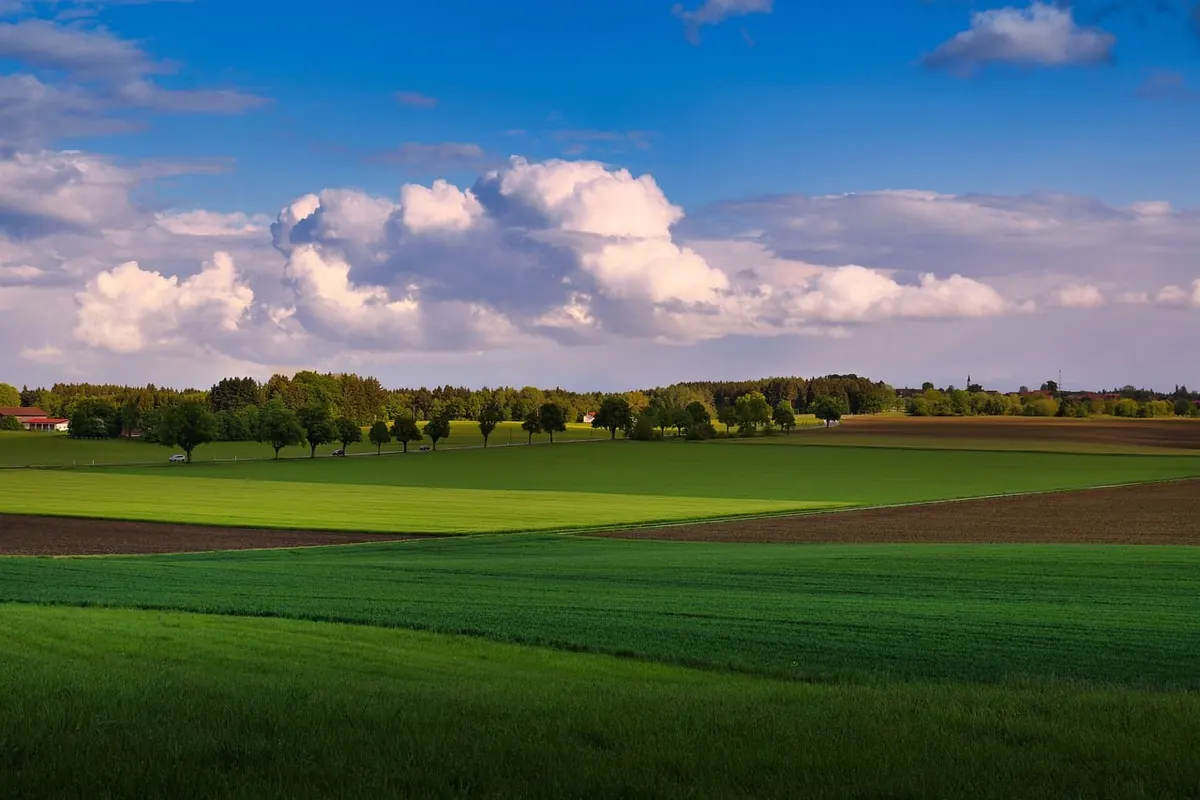
Photo: Jonathan Petersson / Pexels